
India has always experienced hot summers, but what we’re facing now is different. Unseasonal, record-breaking heatwaves in regions like Rajasthan, Delhi, Telangana, and parts of Odisha have arrived months before usual—and are staying longer. In June 2025, temperatures in Jaipur touched a scorching 48.2°C, even as the monsoon was expected to bring relief.
The India Meteorological Department (IMD) calls this a “compound climate event”—a situation where multiple weather stressors converge: extreme heat, delayed rainfall, and poor air circulation.
But what’s behind these unusual heatwaves? And more importantly, how can you stay safe?
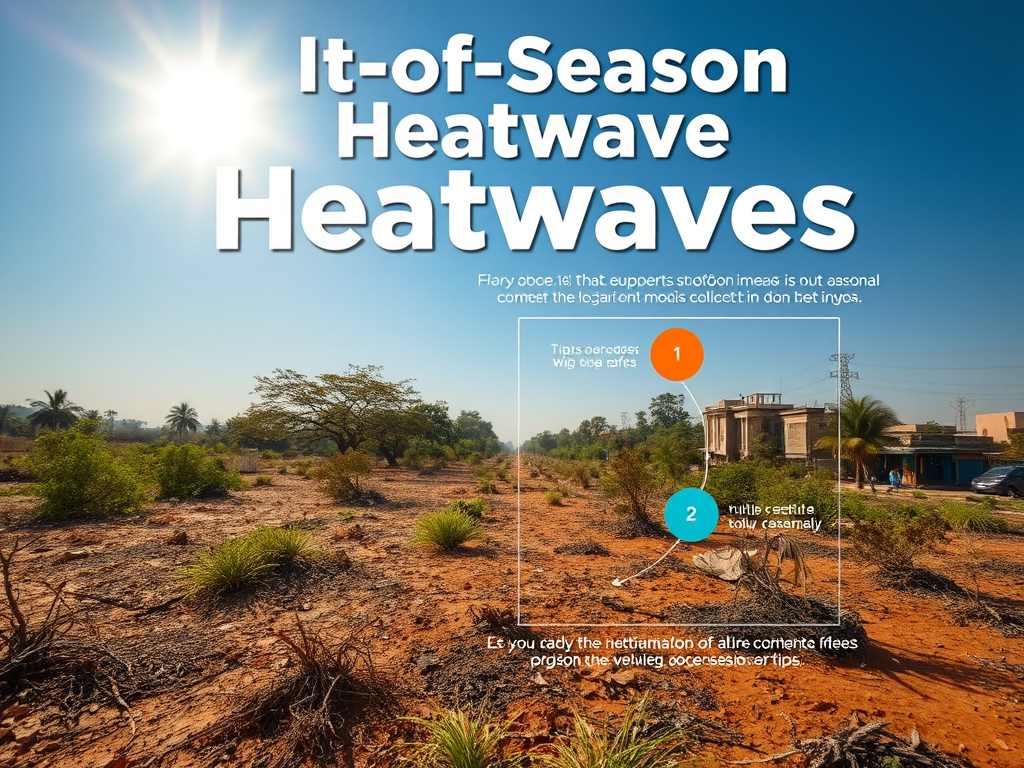
🔬 The Science Behind the Heat
1. Climate Change & Global Warming
Rising greenhouse gas emissions have led to global warming. As a result:
- India’s average temperature has risen by 0.7°C over the past century.
- The frequency and duration of heatwaves have doubled since the 1990s.
2. Urban Heat Island Effect
Cities like Delhi, Mumbai, and Bengaluru experience higher localized temperatures due to:
- Concrete buildings absorbing and trapping heat
- Fewer trees and green spaces
- Heat emitted from vehicles, air conditioners, and factories
3. El Niño & Jet Stream Disruptions
The 2025 heatwaves are also partly driven by El Niño conditions in the Pacific Ocean, which disrupt India’s monsoon flow and shift the jet stream, allowing hot air to remain stagnant over northern and central India.
🧊 Survival Tips: How to Beat the Heat (Even in Spring)
✅ 1. Hydration Is Your Shield
Drink 2–3 litres of water daily, even if you don’t feel thirsty. Add natural electrolytes like lemon, coconut water, or ORS to maintain salt balance. Avoid alcohol and caffeine, which dehydrate.
✅ 2. Dress Smart, Stay Cool
- Wear light-colored, loose-fitting cotton clothes
- Use sunglasses, wide-brimmed hats, and umbrellas
- Carry a wet napkin or scarf around your neck—it helps cool your core
✅ 3. Create a Cool Indoor Zone
- Shut windows during peak heat (12 PM – 4 PM)
- Hang damp curtains for natural cooling
- Use fans before switching on AC—this saves energy and prevents overheating the grid
✅ 4. Avoid Peak Outdoor Activity
- Reschedule outdoor work, jogging, or deliveries to early mornings (before 10 AM) or evenings (after 6 PM)
- If unavoidable, take shade breaks every 30 minutes and drink water frequently
✅ 5. Eat Light, Stay Right
- Consume hydrating foods: watermelon, cucumber, citrus fruits
- Avoid oily, spicy, and protein-heavy meals that raise body heat
- Keep meals smaller and more frequent
🏥 Watch for Heatstroke: Early Warning Signs
- High body temperature (> 104°F / 40°C)
- Rapid breathing, confusion, vomiting
- Hot, dry skin (lack of sweat is a danger sign)
- Fainting or seizures
Act Fast: Move to a cool place, remove excess clothing, and sponge with cool water. Call emergency services immediately if symptoms persist.
🛑 Vulnerable Groups to Protect
- Elderly (above 60)
- Infants and children under 5
- Outdoor workers (e.g., delivery agents, construction workers)
- People with heart, kidney, or respiratory issues
Governments and local bodies are advised to issue heat alerts, open public cooling shelters, and monitor outdoor labor during heat advisories.
🌱 What Can Be Done Long-Term?
✅ Green Planning
Urban planners must include:
- Tree plantation drives
- Reflective roofs and pavements
- Community water points
✅ Awareness Campaigns
People need to be educated about:
- Early signs of heatstroke
- Simple cooling techniques
- Responsible electricity use to avoid power cuts
✅ Policy Measures
The National Heatwave Action Plan (2025) recommends:
- Real-time weather warnings via mobile alerts
- School and work timing shifts during red alerts
- Coordinated response between municipal bodies and health departments
🌍 Final Words
India’s out-of-season heatwaves are a clear warning—the climate is changing faster than we imagined. While global action is critical, we must adapt locally too.
By understanding the science, taking preventive steps, and protecting the vulnerable, we can not only survive but build resilience for the hotter days ahead.
Stay cool. Stay safe. And stay aware.






 myNative.in
Leave a comment